
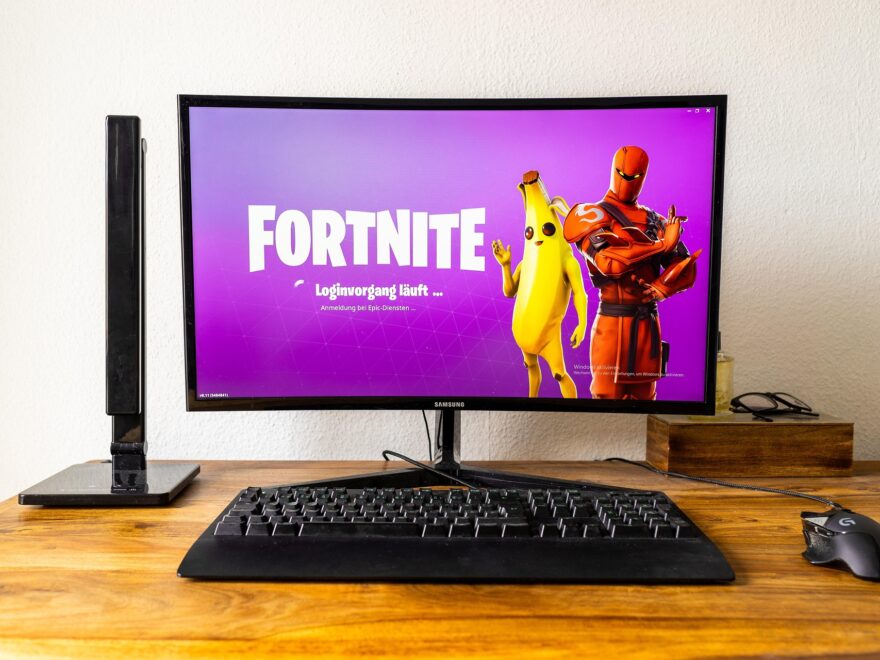
Fortnite has outlasted trends, updates, and countless competitors. For many players, it’s more than just a game—it’s a stage, a social hub, and sometimes even a history lesson in gaming culture. If you’ve ever wondered why certain skins or items get called “OG,” you’ve probably bumped into the debate about the og meaning in gaming. Fortnite has turned these little cultural quirks into badges of honor. And that’s part of the magic—it’s a game that keeps players attached far beyond the usual cycle. But what is this all about? Why do people keep pushing this game on trending? Let’s find out.
The Building Block of Fortnite’s Success
At first glance, Fortnite is just another battle royale where 100 players drop in, loot, and fight until one is left standing. But building changes everything. Players can turn a hill into a fortress or a box into protection with just a few clicks. It creates a style of play that rewards creativity as much as shooting skill. This mechanic is why so many gamers stick around. Shooting may decide the final blow, but smart building often decides who makes it to the last circle. The mix keeps every match unpredictable. And honestly, it’s the reason a guy I know calls Fortnite “chess with shotguns.”
Why Collaborations Keep the Game Fresh
Another trick in Fortnite’s bag is its endless collaborations. Marvel, Star Wars, anime series, and even real-world celebrities have all made their way into the game. Instead of fading, Fortnite continues to feel like a pop culture calendar, where events and skins reflect what’s hot outside the game. For players, these collabs aren’t just cosmetics—they’re bragging rights. Having a skin that only shows up once can feel like owning a rare trading card. That sense of scarcity and status gives extra energy to the grind. Fortnite thrives because it blends gameplay with culture in a way that keeps everyone talking.
Community and Social Vibes
Fortnite isn’t just about wins; it’s about moments. Friends log in to hang out, goof off, or try silly challenges. Even if you’re not the best player, there’s space to enjoy the game. That’s rare for competitive titles, which often push new players away. Events like live concerts or global story events give the game more weight. They transform Fortnite from a shooter into a shared experience. Few titles have pulled off moments where millions of people stop and watch something unfold live in-game. It cements Fortnite’s place as a cultural landmark.
The Long Game: Why People Keep Coming Back
Games usually have a life cycle: launch hype, a steady middle, and eventually a decline. Fortnite has dodged that fate through smart updates and constant surprises. One week, the map looks familiar, and the next, a giant crater changes everything. Players know that something new is always around the corner. Even veterans who drift away often find themselves pulled back in by curiosity. The mix of nostalgia, new mechanics, and social pressure from friends keeps Fortnite on top of playlists. It’s less about playing a round and more about staying part of an ongoing story.
Fortnite isn’t flawless, but its ability to mix culture, gameplay, and community puts it in a category all its own. It’s the kind of game that can feel casual or competitive depending on how you play. And that balance is why it continues to dominate. For many, it’s always about the moments, the memories, and the status tied to things as small as an OG skin.